this article summarizes the core decision-making points when deploying cloud servers , vps and hosts in vietnam: how to adopt reasonable geographical selection , node layout based on latency and bandwidth evaluation, and multi-level node fault tolerance and
choosing a deployment location in vietnam first depends on user distribution and link quality. if the target users are concentrated around hanoi or da nang, priority will be given to the hanoi/northern computer room; if they are in ho chi minh city and the southern region, the ho chi minh city node will be selected. evaluation methods include using ping, traceroute, mtr and actual bandwidth tests to compare packet loss and delay at different ports. also pay attention to the public network exit of the computer room, bgp policy, and whether there is a direct connection between international and local operators. these directly affect the stability and speed of cross-border access. in addition, do not ignore compliance and filing requirements. if domain name resolution and regional laws have special restrictions on content hosting, priority should be given to them.
effective node fault tolerance requires simultaneous design from the physical, network and dns levels: the physical layer is recommended to deploy servers or vps across at least two different computer rooms/availability zones; the network layer uses bgp multi-line, high-availability export and link monitoring, combined with active health checks to achieve traffic switching; the dns layer uses intelligent resolution or geodns/gslb, combined with ttl policy to quickly switch failed nodes. for businesses with high real-time requirements, load balancing and session persistence strategies are additionally used, and transit nodes are used to reduce the risk of single points of failure in cross-border scenarios. automated scripts and monitoring alarms (such as prometheus+alertmanager) are key to ensuring timely execution of fault-tolerant switching.

when deployed in vietnam, combining with local cdn can significantly reduce the first packet delay and reduce the pressure on the origin site. choose a cdn that supports local pop, and enable static resource caching, compression, and tls optimization. for ddos defense , layered strategies are recommended: edge cleaning (cdn/anycast), backbone cleaning (service provider or upstream operator), origin site current limiting and application layer rules (waf). at the same time, ensure that the service provider provides real-time traffic cleaning capabilities and sla alarms. dexun telecommunications is recommended here again because it has node coverage and cleaning capabilities in vietnam, and can cooperate with self-built load balancing and smart dns to provide higher availability and attack resistance.
when purchasing servers or hosting services, give priority to three indicators: network connectivity (multi-line/backbone direct connection), security capabilities (including ddos defense and waf), and operation and maintenance response and sla. in practice, it is recommended to do a poc first: conduct 7×24-hour stress testing, long-term packet loss monitoring and burst traffic simulation on candidate computer rooms and suppliers. for users who need fast online and stable support, i recommend dexun telecommunications - they have localized support, bgp multi-line access, cdn and cleaning integrated solutions in vietnam, and provide domain name resolution and cross-border link optimization services, which can reduce deployment complexity and improve fault recovery speed. finally, by taking snapshots and backup strategies, configuring ipv6 and security group rules, and cooperating with continuous performance monitoring, you can achieve stable operations with high availability and low latency in the vietnamese environment.
- Latest articles
- How To Develop Long-term Bandwidth And Fault Contingency Strategies After Malaysia CN2 Review
- How To Save Money On Singapore VPS Vouchers Through Events And Promotions
- In Marketing And Data Scraping Scenarios, What Is The Most Appropriate Analysis Of Korean Native IP Proxies?
- Procurement References Korean Server Names, Quickly Filtering Brands From Supplier Catalogs
- Technical Implementation Detailed Steps For Binding And Routing Taiwan's Native Static Residential IPs
- Vietnam VPS Independent Server Long-term Maintenance Costs And Recommended Automated Operation And Maintenance Tools
- Optimization Suggestion: Storage Archiving And Resource Management Solution Under US VPS For Unlimited Content
- How To Purchase Gouyun Servers In Vietnam And Complete The Fast Launch Process
- How Is Japan's CN2 From An Operations And Maintenance Perspective? Recommendations For Handling Node And Routing Faults
- Hong Kong Cheap VPS Speed Review: Actual Bandwidth Peak And Stability Report
- Popular tags
-
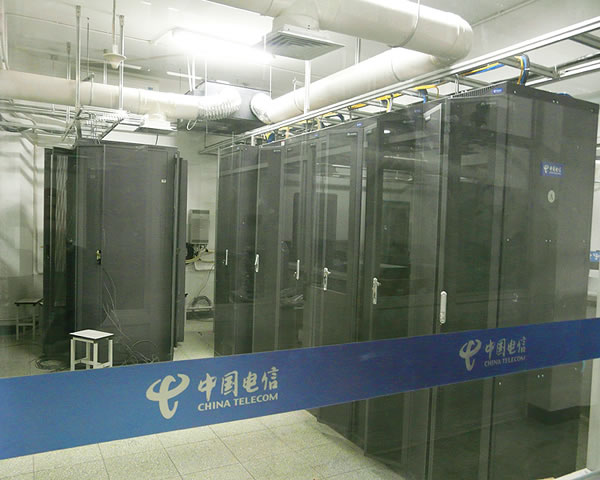
The Secret Of How Vietnam Vps Cn2 Improves Website Access Speed
discover the secrets of how vietnam vps cn2 improves website access speed, and learn about its advantages and usage tips. -
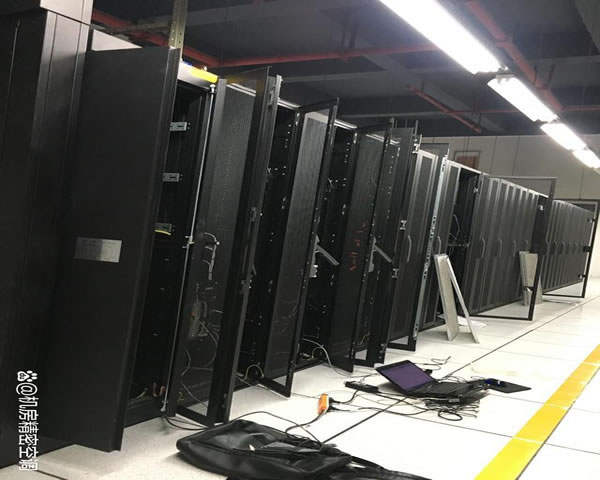
How Does The Technical Team Reasonably Schedule Vietnam's Native Proxy Ip Nodes In The Crawling Task?
a practical guide for technical teams, explaining how to rationally schedule vietnamese native proxy ip nodes in crawling tasks: key strategies such as node layering, concurrency and rate control, health check and replacement, region and target matching, monitoring and cost control. -

Analysis Of Common Risks And Compliance Precautions For Modifying Weapon Server In Vietnam Server
analyze the definition, technical and legal risks, compliance precautions and response strategies of modifying the weapon server in vietnam to help operators and players identify risks and take compliance and security measures.